Our
Story
How Disability 3.0 Began
It started with a restaurant that wasn't quite built for everyone – and an architect who'd spent 35 years being patient about it.
One restaurant. One graduation. One realization.
Erick Mikiten picked the restaurant for his son's graduation dinner because it had the right vibe for a big group. He already knew it had accessibility problems – he'd complained about them the last time. Before the party even started, he was mentally rehearsing which barriers to flag, which managers to corner, which battles were worth the effort on a night that was supposed to be a celebration.
Then the obvious hit him: this is what I always do. As a person with a disability and an architect, he'd spent decades cajoling one restaurant, one building, one plan checker at a time. Exhausting himself for results that helped a handful of people – and stressing out about it every single time.
And the response was always the same. Restaurants would shrug and say, "Well, we don't really get people in wheelchairs here." As if people with disabilities simply don't exist. The truth is the opposite – people tried once, hit the barriers, and never came back. The restaurant never saw them again and assumed there was no demand. A perfect, self-reinforcing loop of exclusion.
That night, the question changed: what if we stopped arguing one by one – and just showed up together? Six people in wheelchairs, two with walkers, three blind guests, all arriving at one dinner service. No lawyers. No complaints filed in triplicate. Just presence – undeniable, collective, and impossible to ignore.
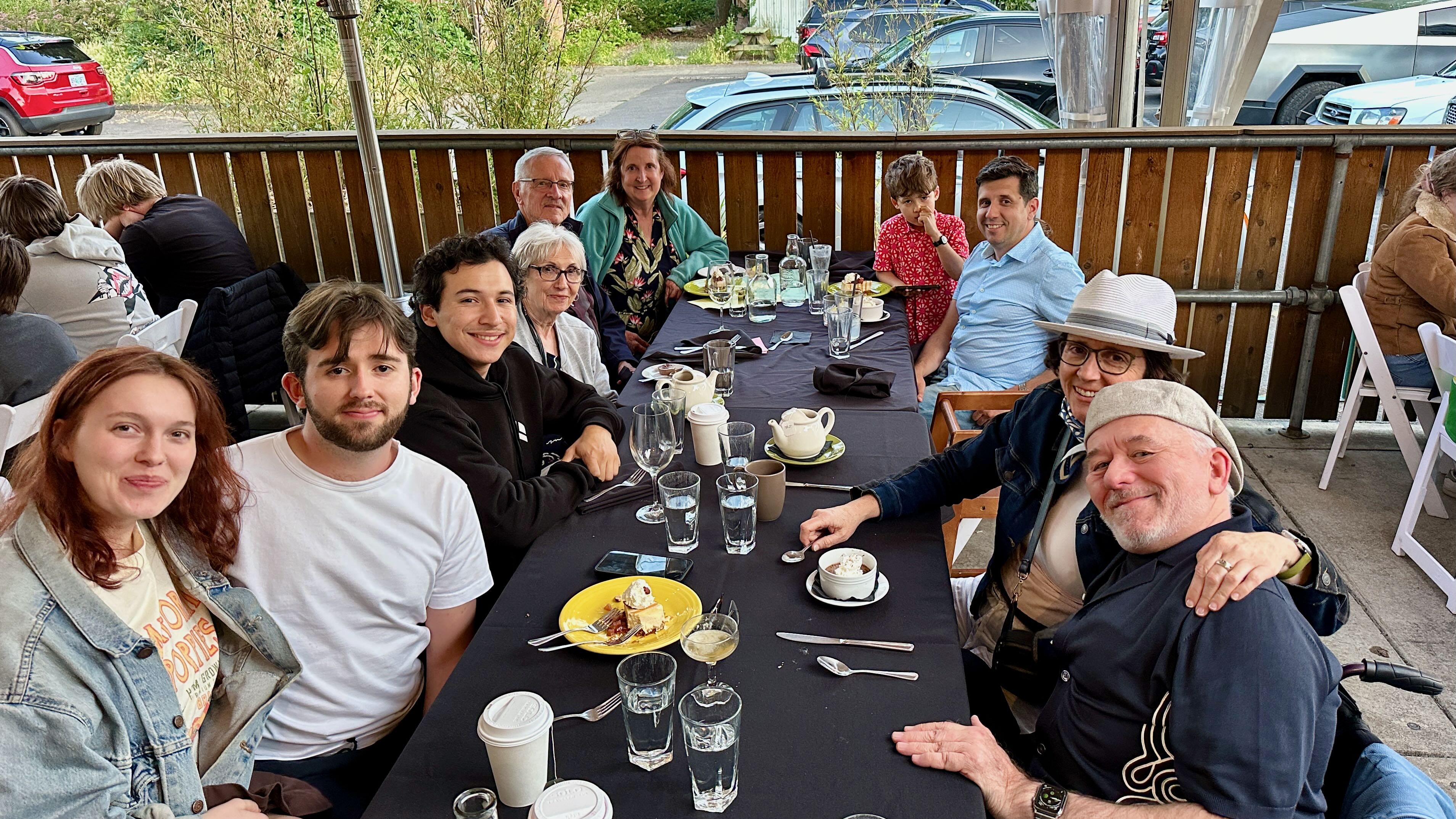
The graduation dinner where the idea for Disability Night Out first clicked
Three eras – and the one we get to build.
Once the Disability Night Out idea landed, it unlocked something bigger. This wasn't just a dinner event – it was a leap past the entire slow machinery Erick had been working inside for 35 years. Building inspectors, insufficient codes, individual complaints, polite but firmly worded letters that might fix one ramp but left a thousand untouched.
The first era of disability in America was marginalization and exclusion – or worse. Dark days of isolation and institutionalization. The second era brought civil rights and the ADA, which was genuinely historic. But most of the country received that law, installed the minimum ramp at the minimum slope, and stopped. Era 2.0 set a floor and called it a ceiling.
What Erick was imagining felt fundamentally different. Not accommodation – presence. Not asking for permission – leading. Not waiting for building codes to inch forward – showing up and making the case with our wheelchairs, our crutches, and our collective refusal to stay home. That's not just incremental improvement. That's a new era.
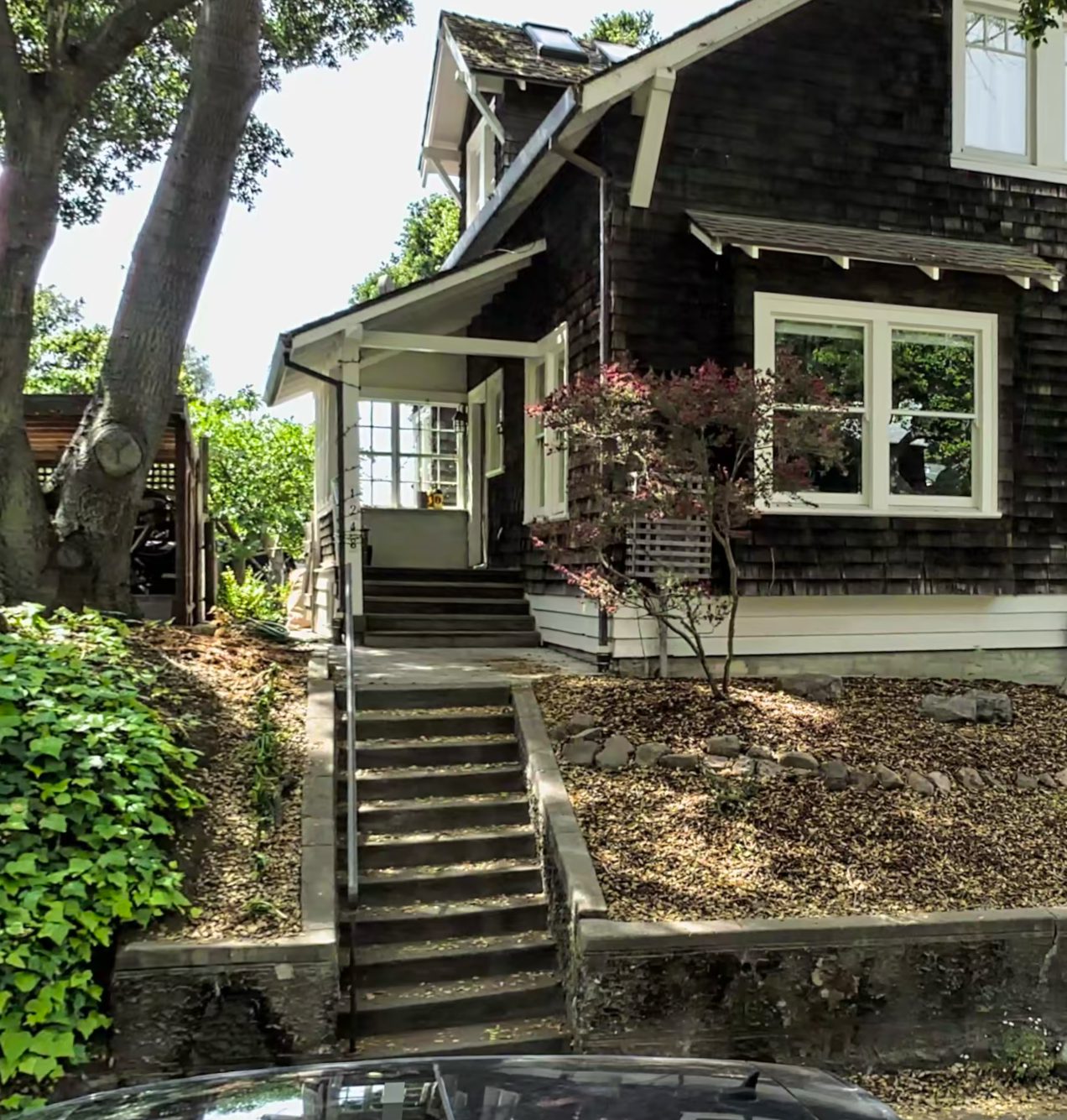
Example of front yard stairs leading to a porch
Ten years of missed visits – because of half a handrail.
Then the framework of three eras of disability started generating ideas on its own. Erick went to a Christmas party at a close friend's house in the neighborhood – a place he'd avoided for ten years because of the front steps. The bottom half of the staircase had a handrail. The top half didn't.
That night it was raining. He went up and down the steps on his butt. At a Christmas party. At a friend's house. In the rain. If they'd just had a complete handrail – a few hundred dollars, an afternoon's work – he could have been visiting comfortably for a decade.
That's not a code problem. That's a connection problem. A missing handrail isn't just an inconvenience – it's ten years of missed dinners, missed conversations, missed life. Not because the friendship faded, but because the stairs won.
"That's just the way it is" was Era 2.0 thinking – sometimes accommodated, never fully part of other people's lives. Era 3.0 says every home should simply have handrails. Not because a code requires it, but because your friends deserve to visit. The Handrail Brigade was born from that night – volunteer contractors, modest materials, one day, done.
Three programs. One reinforcing system.
The third program, The Active ISA, formalizes work Erick started a decade ago pushing the dynamic, modern accessibility symbol into wider adoption. If we're changing how disability shows up in public life, the symbol on every building should reflect who we actually are – not a figure from 1968 leaning back in a chair, waiting to be pushed.
Together, the three programs form a system: collective action reveals barriers, direct intervention removes them, and a new symbol changes how disability is seen. Each started with a specific, lived frustration. Each became something anyone can be part of.
A platform for disability-led change – not a one-time event.
Disability 3.0 launches with three programs – Disability Night Out, The Handrail Brigade, and The Active ISA – and is designed from day one to grow. As the organization builds national reach and deep community engagement, it will expand into new areas:
Bringing disability-led perspectives directly into the settings where design and policy decisions are made.
Turning on-the-ground insight into lasting improvements in building codes – moving beyond static minimums.
Web-based tools to help people anticipate accessibility conditions – and push institutions to improve.
The goal isn't incremental improvement. It's a permanent shift in how the built environment is designed, regulated, and experienced – shaped by the people who use it every day.
The Founder
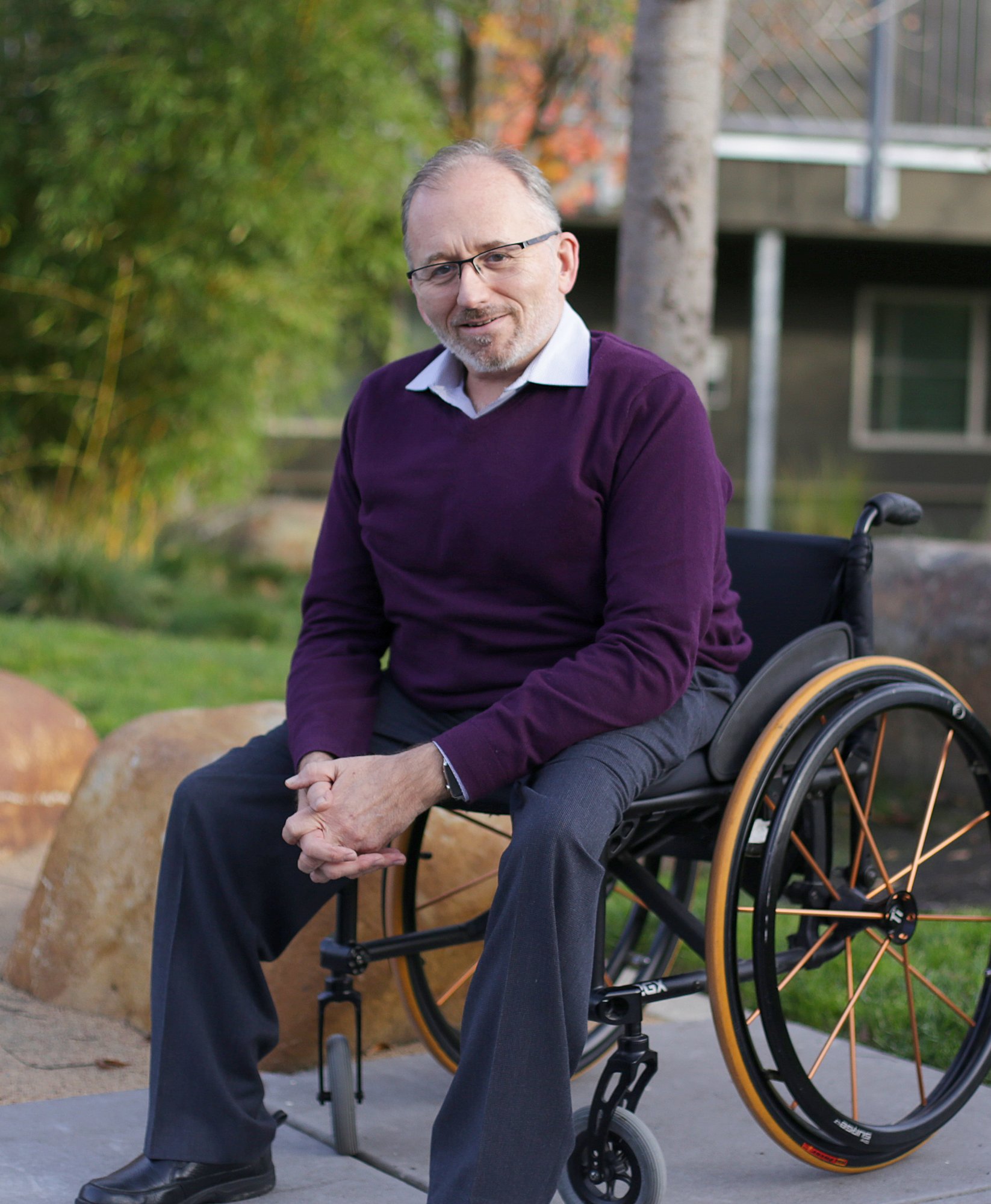
Erick Mikiten, FAIA
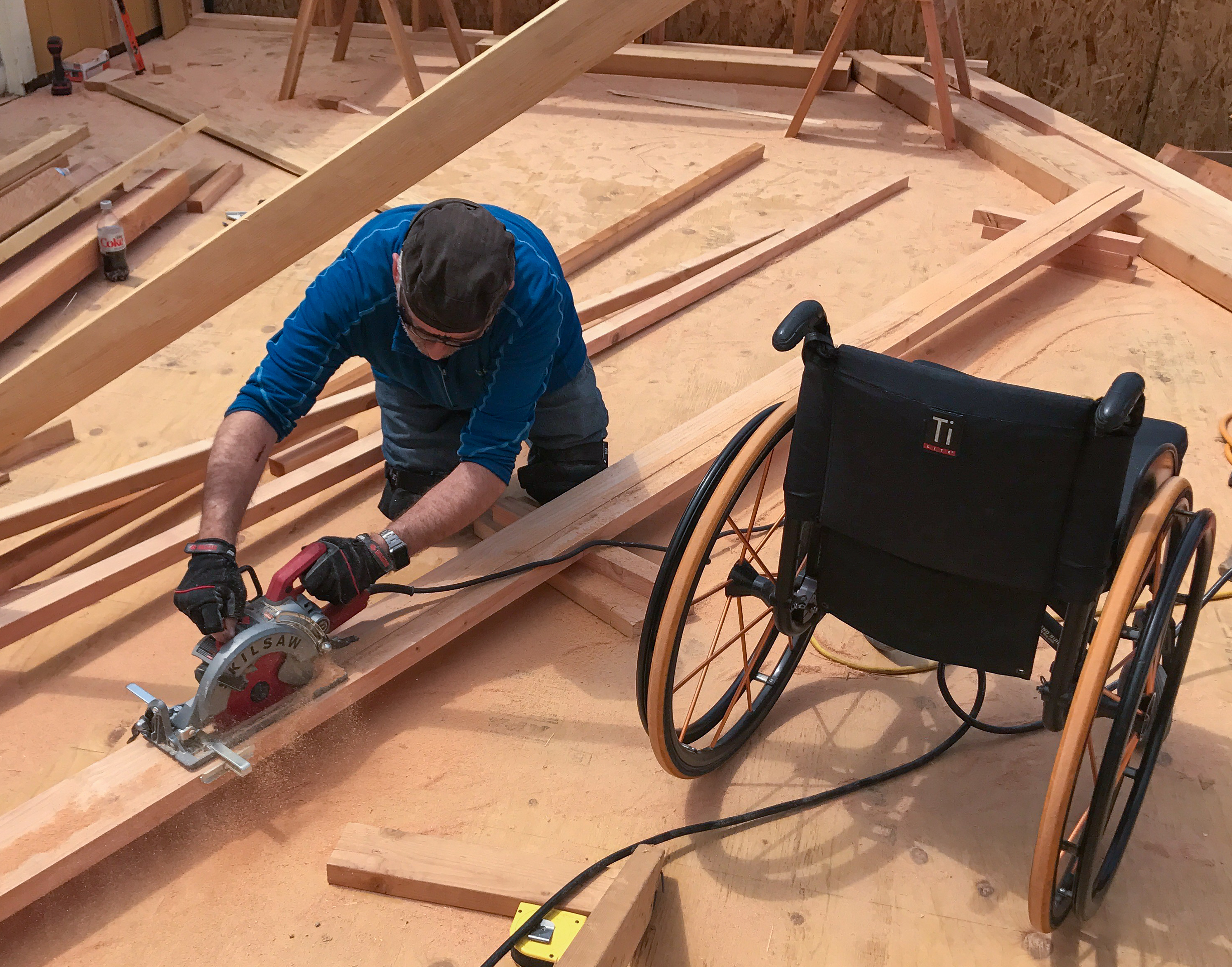
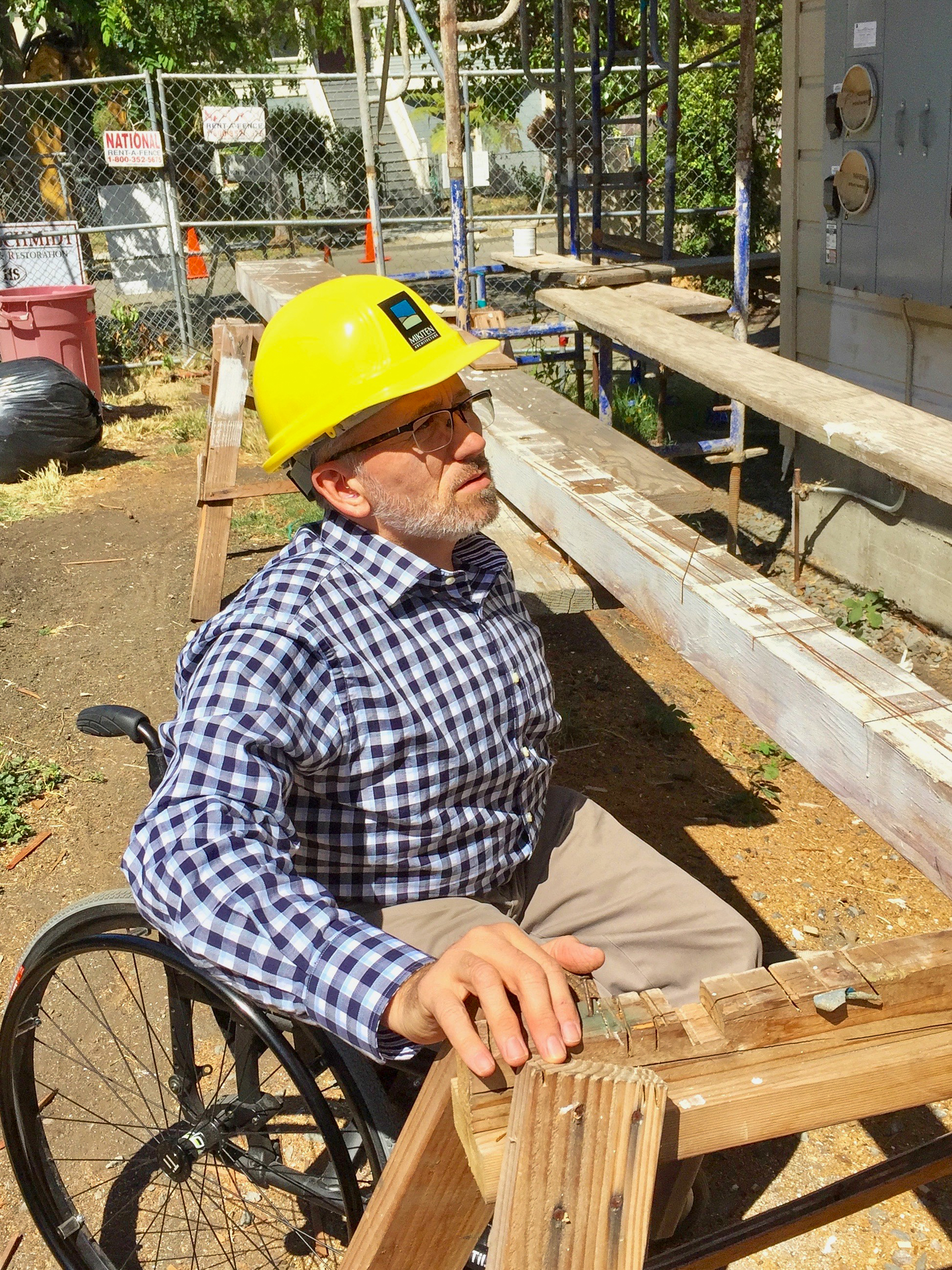
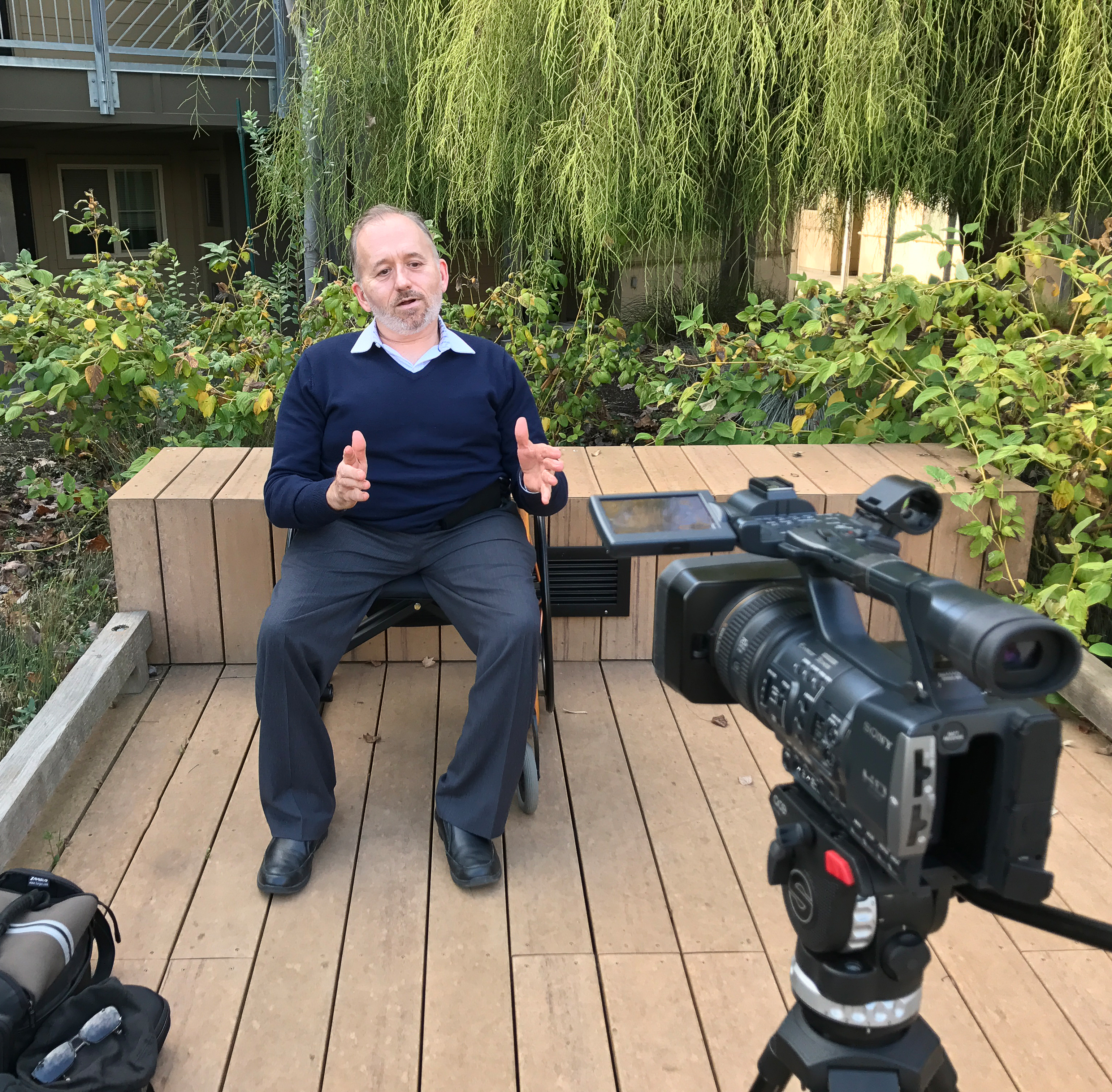
A wheelchair-riding, hard-of-hearing architect and AIA Fellow – elevated in 2025 for national impact in Universal Design. Founder of Mikiten Architecture and The Art of Access. Co-author of the Inclusive Design Standards with The Kelsey – a national benchmark for accessible housing now used to create thousands of super-accessible units across the country.
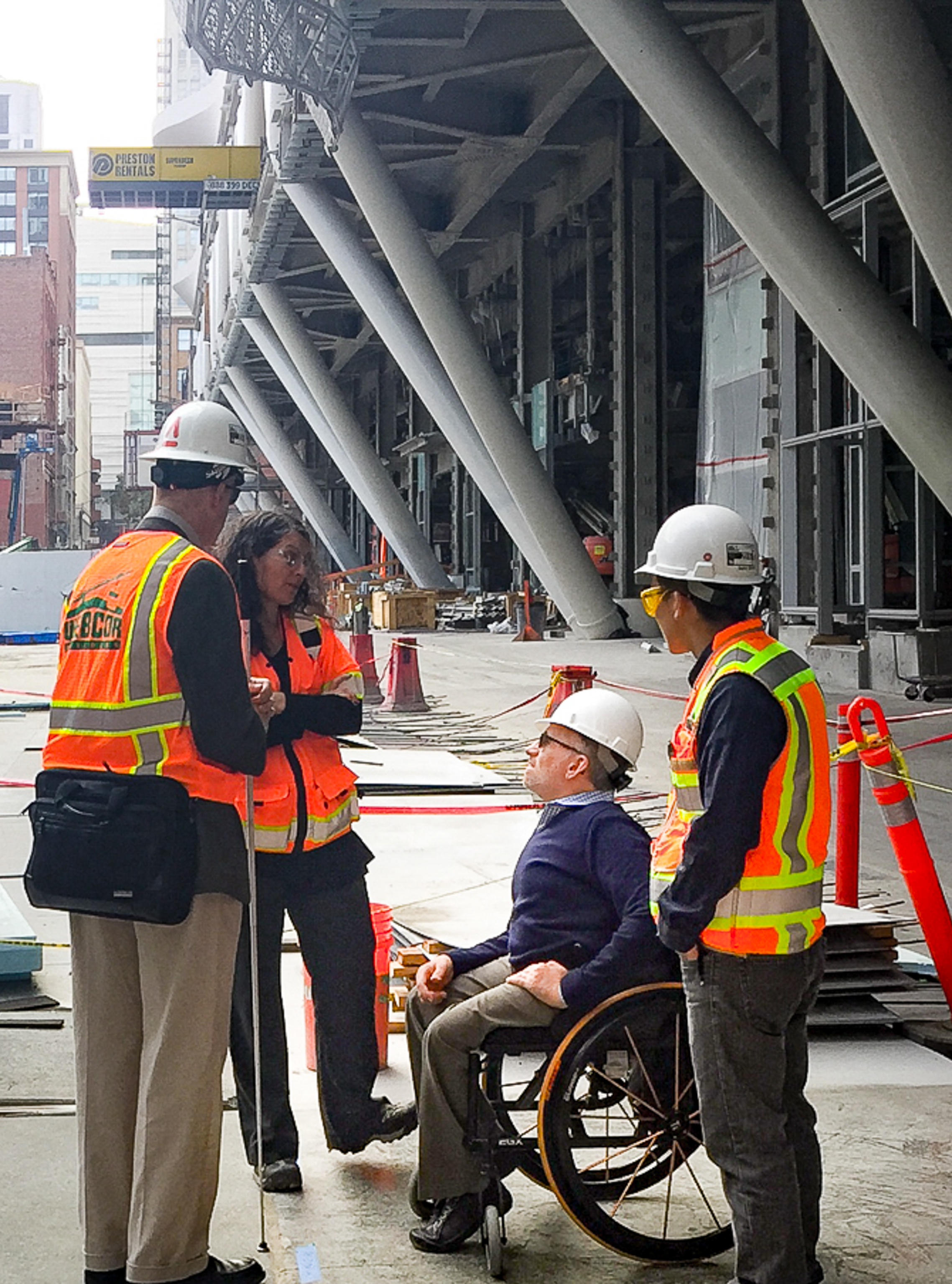
Fourteen years as the Governor-appointed disability representative on the California Building Standards Commission. Founder of the Access Code Collaborative. Consultant on inclusive workplace design for Airbnb, Pinterest, Apple, Netflix, and others – always centering the perspectives of people with disabilities in the design process.
Disability 3.0 is what happens when a lifetime of navigating a built environment that was never quite designed for you converges with 35 years of professional tools, relationships, and the stubborn optimism to finally do something about it at a national scale.